
Overview
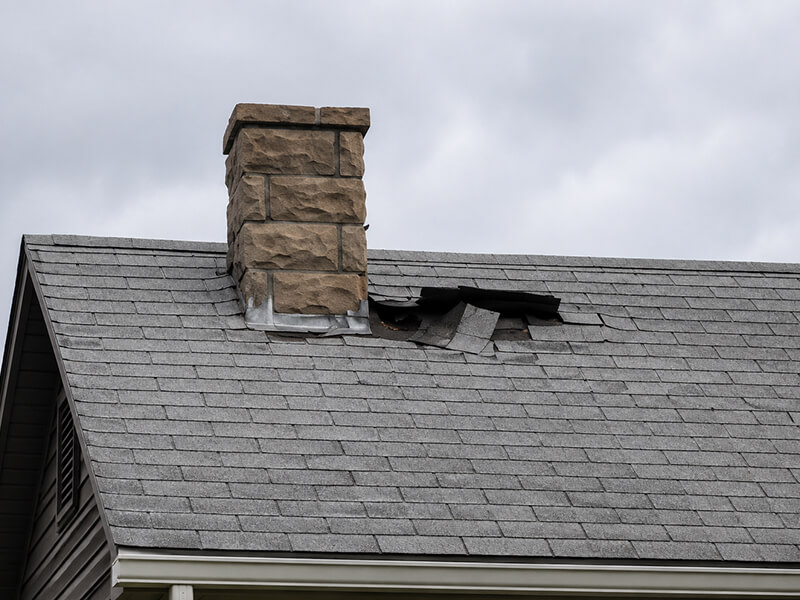
Why can one section of a roof look worn while another remains in relatively good condition? Different areas of the same roof can face very different levels of sunlight, wind, moisture, debris, and temperature change. Roof shape, drainage patterns, surrounding trees, and even previous repairs can further influence how individual sections age. In this blog post, Elite Roofing Pros LLC explains why roof wear isn’t always uniform and what these differences can tell you about the conditions affecting your roof.
Highlights
- Why your entire roof doesn’t age at the same rate
- How sunlight and heat affect different roof sections
- How roof shape and drainage affect wear
- Why shaded parts of a roof age differently
- How attic conditions create uneven roof wear
- How repairs and material differences affect roof aging
- Whether uneven wear means your entire roof needs work
Introduction
A roof is installed as one system, so it’s reasonable to expect the entire surface to age at roughly the same pace. In practice, roofs rarely experience identical conditions from one section to the next. One slope may spend long summer afternoons in direct sunlight while another stays shaded. A valley may carry runoff from two adjoining slopes, while an open section of roofing sheds only the water that lands directly on it. Wind, trees, ventilation, roof geometry, and previous work can create even more variation.
Over enough seasons, those small differences can become visible. Shingles on one slope may lose granules sooner, a particular edge may experience repeated wind exposure, or moisture may linger longer in a shaded area. Understanding why that happens can provide useful context when you’re evaluating the condition of an aging roof.
Read along with Elite Roofing Pros LLC as we look at why roofing materials don’t always deteriorate uniformly and what a roofer considers when comparing one section with another.
Why Doesn’t Your Entire Roof Age at the Same Rate?
A roof’s age tells you how long its materials have been installed. It doesn’t tell you exactly what every square foot of those materials has experienced during that time.
Consider two slopes on the same house. They may contain shingles from the same manufacturer, installed by the same crew on the same day, yet face different directions. One could receive intense afternoon sunlight and prevailing winds. The other might sit beneath tree cover where it remains cooler but dries more slowly after rain. After years of exposure, those two sections have effectively lived in different environments.
That’s why a roofer generally considers the pattern and location of deterioration, rather than assuming every part of an older roof should look identical. Uneven wear can offer clues about the conditions affecting a particular section.
Some of the major variables include:
- Direction and duration of sunlight
- Prevailing winds and storm exposure
- Roof pitch and geometry
- Valleys and concentrated drainage paths
- Tree cover and persistent shade
- Attic temperature and moisture
- Flashing, vents, chimneys, and other penetrations
- Previous repairs or replaced materials
The presence of uneven wear doesn’t automatically identify a problem. The reason behind that wear matters.
How Do Sunlight and Heat Affect Different Roof Sections?
Roofing materials spend their entire service lives exposed to weather, and sunlight is one of the most persistent sources of environmental stress. Roof surfaces can become considerably hotter than the surrounding outdoor air, then cool again as sunlight disappears. That cycle repeats day after day and season after season.
A slope receiving prolonged direct sunlight can therefore experience different conditions from a shaded or differently oriented slope. With asphalt shingles, long-term exposure to ultraviolet radiation and heat contributes to the gradual aging of the material. The asphalt changes over time, and protective granules can be lost as the shingles weather.
Roof Direction Changes the Exposure
Orientation matters because the sun doesn’t strike every surface equally throughout the day. The amount of exposure also changes with the season, nearby structures, and tree cover.
This can create a recognizable pattern on an older roof. A highly exposed slope might show more pronounced weathering even though another section installed at the same time still appears relatively intact.
How Do Roof Shape and Drainage Affect Wear?
Roof geometry determines where runoff travels and where water from multiple surfaces comes together. An open slope primarily handles the precipitation that lands on it, while a valley receives runoff from adjoining roof planes.
Dormers, intersecting rooflines, and upper sections draining onto lower ones can similarly concentrate water in particular areas.
Valleys Work Harder Than They Look
During heavy rain or snowmelt, valleys can carry considerable amounts of water. Debris may also collect there, slowing drainage and keeping roofing materials damp longer. A professional providing roof maintenance may therefore pay particular attention to valleys and other concentrated drainage paths.
Pitch matters, too. Steeper areas shed precipitation and debris differently from low-slope sections. Snow, sunlight, wind, and escaping heat can further change where moisture accumulates or melts, exposing nearby roof sections to surprisingly different conditions.
Why Do Shaded Parts of a Roof Age Differently?
Shade reduces direct sunlight and surface temperatures, but it can also slow drying. Beneath dense tree cover, roofing may remain damp longer after rain, dew, or melting snow. Leaves and needles can compound the effect by collecting in valleys and other drainage areas.
Tree-related conditions include:
- Persistent shade: Surfaces may take longer to dry.
- Falling debris: Leaves, needles, seeds, and branches can collect on the roof.
- Physical contact: Overhanging limbs can rub against roofing materials.
- Restricted drainage: Accumulated debris can interfere with water movement.
In other words, protection from one source of weathering can increase exposure to another. Over time, that localized environment may cause shaded sections to age differently from more exposed areas.
Can Attic Conditions Create Uneven Roof Wear?
Attic ventilation helps manage heat and moisture within the roof assembly. When ventilation is obstructed or poorly balanced, conditions beneath different areas of the roof deck may vary. Insulation deficiencies and air leakage can create further temperature differences.
Cold weather can make these variations particularly noticeable. If heat reaches one section of a snow-covered roof more readily, snow may melt there first. The resulting water can travel toward colder edges and refreeze. Although the effects appear outside, some of the conditions contributing to uneven wear can originate beneath the roof.
Can Repairs and Material Differences Affect Roof Aging?
Not every part of a roof is necessarily the same age. Shingles may have been replaced after localized storm damage, flashing could be newer than surrounding materials, or an addition may have been roofed years after the original structure. Even when materials were installed relatively close together, differences in product type, manufacturing, installation, and exposure can influence how they change over time.
A Patch Can Look Different Without Being a Problem
Newer shingles commonly differ in color from weathered ones, and an exact material match may not have been available when repairs were completed. A visible difference therefore doesn’t establish that the repaired area is performing poorly. The newer section may simply have experienced fewer years of sunlight, precipitation, temperature swings, and other weathering.
Its history provides better context. Knowing when a section was repaired, why the work was necessary, and which materials were replaced can help explain why one part of the roof now looks or ages differently from another. A roofer can also consider whether differences are primarily cosmetic or whether they point to changes in material condition or performance.
This is another reason a roof is better understood as a collection of interconnected areas rather than one surface that ages uniformly.
Does Uneven Wear Mean Your Entire Roof Needs Work?
Uneven wear by itself doesn’t establish that an entire roof requires repair, restoration, or replacement.
The significance depends on what is wearing, why it’s wearing, how extensive the affected area is, and whether the condition is interfering with the roof’s ability to manage water and protect the building. A cosmetic difference between two slopes is different from active deterioration concentrated around a drainage path or penetration.
This is also why comparing roof sections can be useful. Instead of asking only, “How old is this roof?” it may be more informative to ask:
- Where is the deterioration concentrated?
- What environmental or structural conditions affect that area?
- Are the materials still performing their intended function?
- Is the condition isolated or appearing elsewhere?
- Has the affected section been repaired or replaced before?
- Are drainage, ventilation, or surrounding trees contributing to the pattern?
Those questions help put visible aging into context. A 15-year-old roof isn’t necessarily in identical condition from ridge to eave, and one weathered area doesn’t automatically define the condition of every other section.
Understand What Uneven Roof Wear Is Telling You
A roof may function as one protective system, but its individual sections can experience remarkably different conditions. Sunlight can intensify weathering on one slope, wind can repeatedly stress another, valleys can handle concentrated runoff, and shaded areas may remain damp long after exposed surfaces have dried. Roof geometry, attic conditions, penetrations, repairs, and material differences add still more variables.
Recognizing those differences makes roof age more useful as context rather than treating it as the entire explanation. If you’re seeing one part of your roof change faster than another, Elite Roofing Pros LLC can help evaluate what’s happening and determine whether the pattern calls for attention.
To discuss your roofing concerns, contact the team at (608) 206-9166.